Citizen science
You can help the scientists.
On a polar trip you can help real research. You do not need a degree. A camera and a little curiosity will do.
Citizen science means ordinary people helping researchers gather information. Scientists cannot be everywhere at once. Travelers can, and your photos and counts add to what they know.
Ways to help
Three places to start.
-
Happywhale
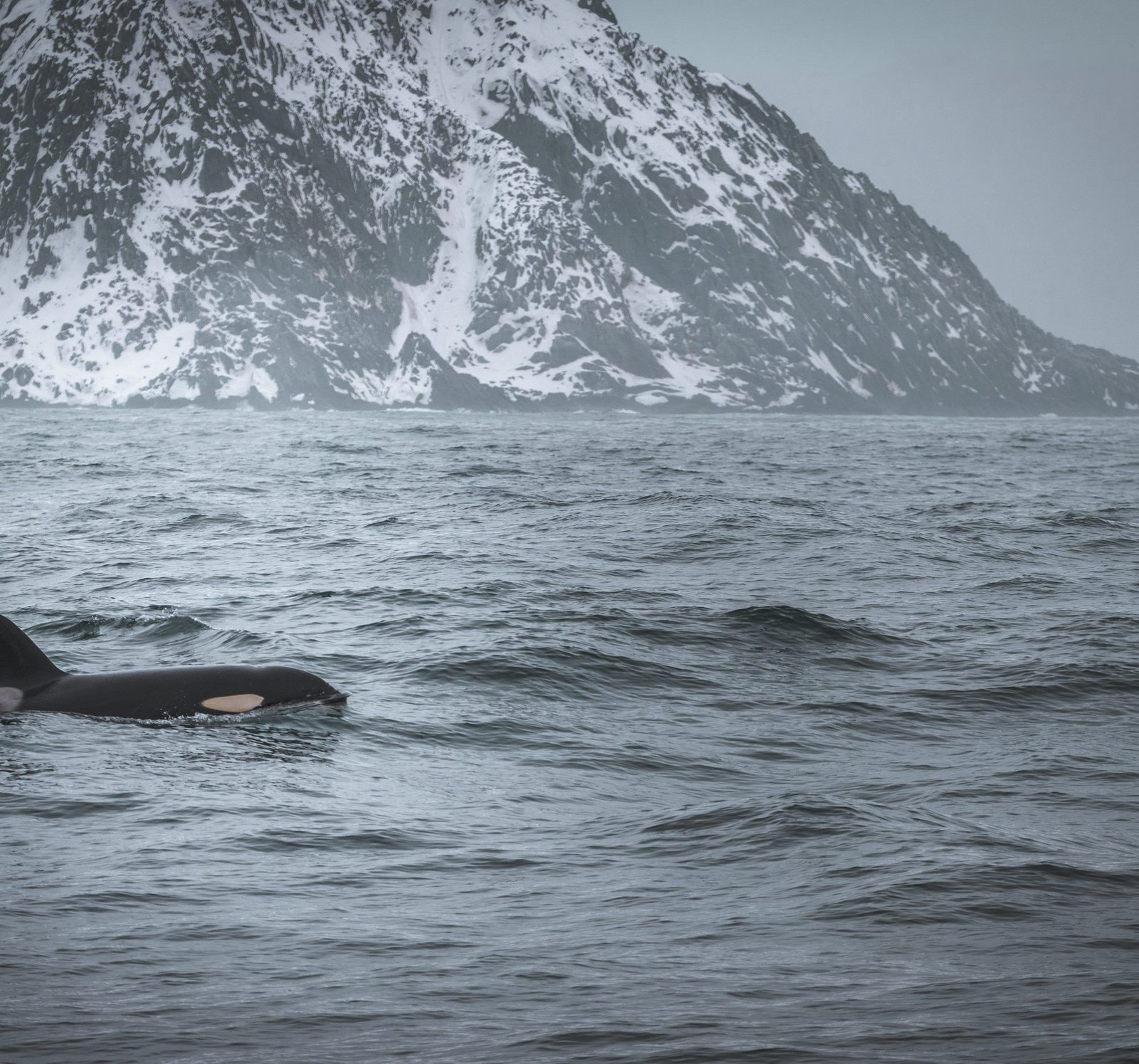
Every whale tail has its own markings, like a fingerprint. Send in your photo of a tail and Happywhale matches it to that one whale, then follows where it travels.
Bring a camera or a phone. That is all.
Visit Happywhale -
Penguin Watch
Count penguins in photos taken at real colonies. Researchers use the counts to see how colonies change over time.
You do this from home, on a computer or tablet. Try it before you go.
Visit Penguin Watch -
Port Lockroy
The UK Antarctic Heritage Trust looks after this old British base and the history inside it. Penguins nest right around the buildings.
If your ship stops here, you can tour the small museum and post a card home.
Visit the Trust
Step by step
How to take part.
-
Before you go
Open Penguin Watch and count a few photos. It is a gentle way to get to know the birds you are about to meet.
-
On the ship
Ask your guides which projects the ship takes part in. Some of them come from science, and they can show you how to help.
-
On deck
When a whale dives and lifts its tail, take the picture. Upload it to Happywhale when you get home.
Every ship is different.
Each ship and each operator runs its own projects. Some do a lot. Some do very little. If this matters to you, tell us. We will help you find a ship that fits.